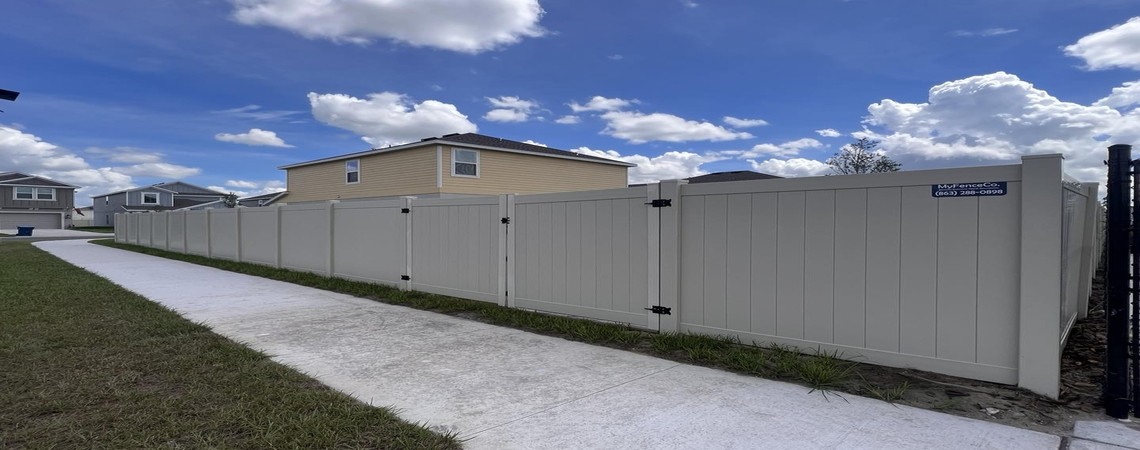
You’re shopping for a new fence and keep encountering the terms “PVC” and “vinyl” used interchangeably, leaving you confused about whether these materials are actually different. When researching popular options like wood, PVC, aluminum, and vinyl fences in Lakeland, FL, you’ll discover that these materials offer different levels of performance in our demanding climate, so you need to understand such variations to make better decisions about your fencing investment.
So, what is the difference between PVC and vinyl fences? The answer might surprise you because these terms refer to essentially the same material, though there are technical distinctions worth understanding. In this guide, My Fence Company will explain the actual difference between these materials and why this matters for your fencing project.
What’s the Technical Difference Between PVC and Vinyl Fencing?
The technical relationship between PVC and vinyl creates significant confusion surrounding fence materials. Vinyl serves as an umbrella term for various plastic materials made from ethylene and chloride compounds. PVC, which stands for polyvinyl chloride, represents one specific type of vinyl material that happens to be the most common choice for fencing applications.
When fence manufacturers say “vinyl,” they almost always mean PVC specifically. This industry shorthand developed because PVC became the standard vinyl material for outdoor applications due to its superior durability and weather resistance. Other vinyl types, like polyvinyl acetate or ethylene vinyl acetate, serve different purposes in manufacturing but aren’t suitable for fencing.
So, what is the difference between PVC and vinyl fences? The key point to remember is that all PVC is vinyl, but not all vinyl is PVC. However, in the fencing world, these terms have become essentially synonymous because PVC dominates the market.
This knowledge helps you communicate more effectively with contractors. You’ll also avoid confusion when comparing quotes from different providers.
How Durable Is PVC Compared to Other Fence Materials?
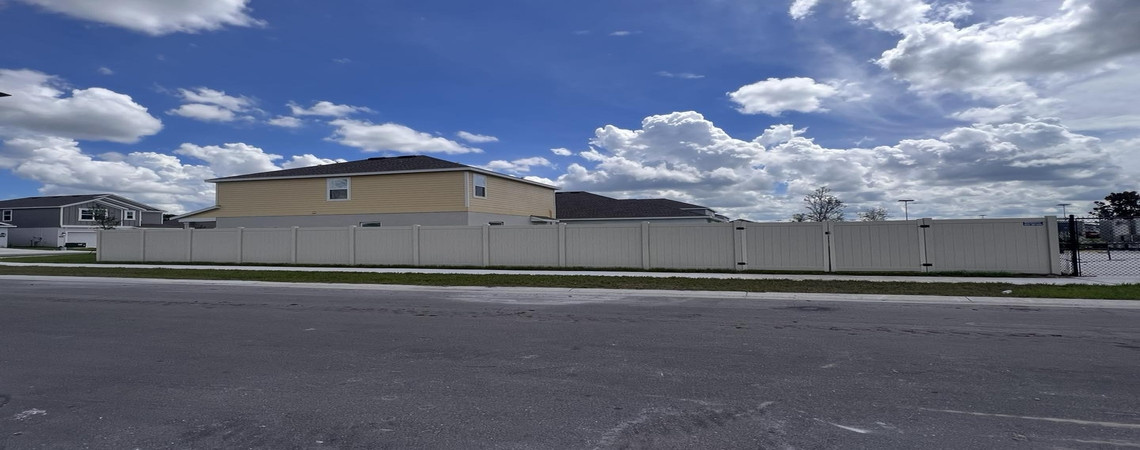
PVC fencing offers exceptional durability, making it an attractive option for residential applications. This type of vinyl material resists biological breakdown, chemical damage, and weather-related deterioration that affects other fencing materials.
A basic durability comparison between different fence materials shows that PVC stands out, offering:
- Weather resistance: PVC withstands rain, snow, heat, and UV exposure without warping or cracking.
- Impact tolerance: The material handles moderate impacts without breaking or requiring immediate repairs.
- Chemical stability: It resists staining and damage from common household chemicals and cleaners.
- Structural longevity: PVC fencing maintains its shape and strength over extended periods without sagging.
PVC’s performance characteristics make it particularly suitable for residential fencing where low maintenance and long-term reliability matter most.
Is PVC Fencing Worth the Cost?
So, what is the difference between PVC and vinyl fences in terms of financial investment?
The cost differences between PVC and other vinyl fencing materials are negligible, as we know now that pretty much every vinyl fencing quote you receive will be for a PVC system. So, why is PVS preferred? While the initial investment may exceed basic materials like chain link, the reduced maintenance costs and extended lifespan often provide excellent overall value.
PVC generally costs less than premium materials like wrought iron while offering superior longevity to wood. You’ll pay less throughout the system’s lifespan while enjoying a potentially increased home value.
How Do You Maintain a PVC Fence?
Maintenance requirements represent one of PVC fencing’s strongest selling points, which can be especially valuable if you’re a busy homeowner. Unlike wood fencing, which requires regular staining, sealing, and repair work, PVC maintains its appearance with minimal intervention.
The low-maintenance nature of PVC fencing includes several practical benefits:
- Simple cleaning: PVC requires only occasional washing with soap and water or mild cleaners.
- No refinishing: The color remains stable without the need for repainting or staining.
- Mold resistance: The material naturally resists mold and mildew growth with proper care.
- Weather protection: The built-in UV resistance prevents fading and degradation over time.
However, PVC fencing isn’t completely maintenance-free despite the marketing claims you may hear. You should inspect your fence periodically for loose hardware, clean it annually to prevent buildup, and address any damage promptly. These popular vinyl fences may develop surface stains or minor damage that require attention, though these issues occur less frequently than with other materials.
What Styles and Colors Are Available in PVC Fencing?
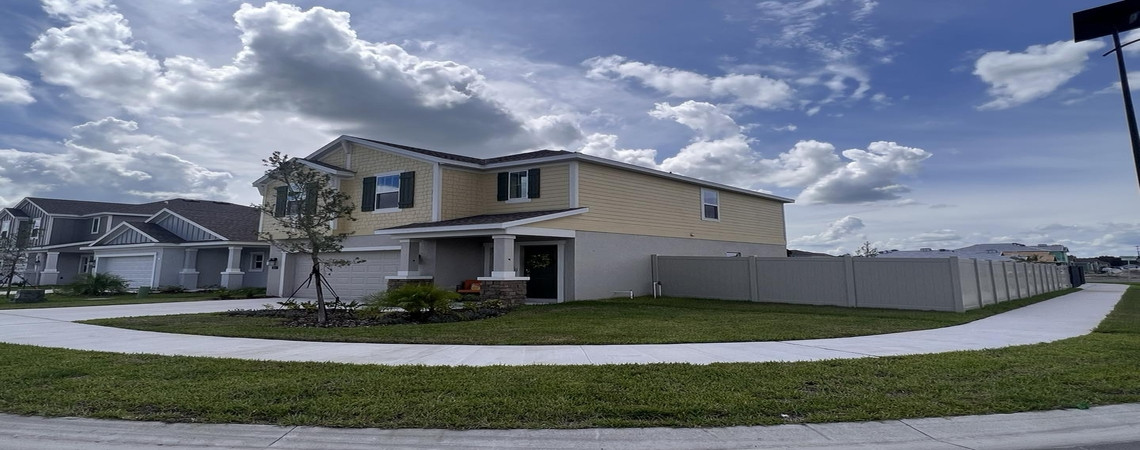
Aesthetic options for PVC fencing have expanded significantly as manufacturing techniques improve. You can choose from a variety of colors, textures, and styles that complement different architectural styles and landscape designs.
With enhanced design flexibility, you can come up with numerous creative fence solutions to meet your functional and aesthetic needs. You can choose from
- Color choices: PVC fencing is available in a range of colors, including white, tan, gray, and other popular shades.
- Texture options: You can choose from smooth finishes or wood-grain textures for a natural appearance.
- Style choices: Options include privacy panels, picket designs, lattice work, and decorative elements.
- Height variations: Multiple height options are available to suit different privacy and security needs.
Modern PVC fencing rivals traditional materials as it offers superior performance characteristics and beautiful design choices. Customization options allow you to create unique fence designs that enhance your property’s appearance while providing lasting functionality.
Ready to Choose the Right Fence for Your Home in Lakeland?
So, what is the difference between PVC and vinyl fencing? Now that you understand the terminology, performance, and aesthetic differences — you’re better equipped to make a confident decision about your next fence.
My Fence Company will help you understand your fencing options and choose materials that deliver the best combination of appearance, durability, and value. Our expertise in residential fencing ensures you get accurate information about vinyl fence maintenance and realistic expectations for your investment. We provide comprehensive fencing solutions that combine quality materials with professional installation to deliver fences that enhance your property for decades.
Call us today at (863) 288-0898 to schedule your consultation and let us help you design the perfect PVC or vinyl fencing solution for your Lakeland property.