Fort Report: Put the brakes on government spending
Congressman Fortenberry says laments economic inflation
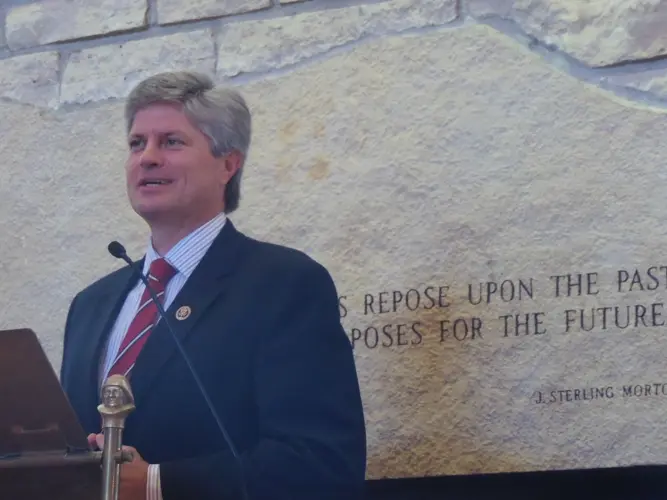
LINCOLN - Congressman Jeff Fortenberry compares the recent inflation pressures to social spending in the 1960s in a recent Fort Report column.
He said rising prices for gasoline and used cars led the way and inflation is wiping out recent pay increases.
He compared it to a movie featuring government spending policies that began in the 1960s and resulted in a staggering peak of 14 percent inflation in 1980.
He advises government putting the brakes on spending and promoting buy and make American.
Here is the congressman's Fort Report.
The U.S. Department of Labor announced last week that the Consumer Price Index (CPI), the standard measure of inflation, catapulted 6.2%, the highest one-year jump in over thirty years. Gasoline (up 50%) and used cars (up 26%) led the surge, though food prices were not far behind. Bacon prices are up 20%. Eggs are up 12%.
These inflation spikes hit the working poor and those on fixed incomes the hardest. The Labor Department confirmed as much, noting that the latest price increases wiped out a recent rise in average salaries. In fact, average hourly wages, even considering inflation, fell 1.2% over the last year.
The Treasury Secretary and the Federal Reserve Chairman last week repeated their familiar refrain: the unwelcome inflation houseguest would be on its way out soon. If you bought ingredients for a Thanksgiving feast, however, it seems like it is settling in for a much longer stay.
We’ve seen this movie before. In the 1960s, on the heels of massive expenditures for the Vietnam War, the government simultaneously expanded social spending. From 1965 to 1982, inflation became a constant. It was such a large part of the national conversation that buttons were made with the word WIN (Whip Inflation Now) on them. During this “inflationary period,” America experienced four recessions, two massive energy supply shocks, and the first peacetime wage and price controls. Inflation peaked at a staggering 14% in 1980.
Back in the spring of this year, with the rollout of vaccines and an end to stay-at-home orders, the bump in salaries and prices was welcome news after the prolonged COVID-engendered shutdown. Then a new dynamic took hold. Awash in stimulus cash, booming stock market returns, and low-interest home equity loans, Americans were eager for new important items like furniture, appliances, sporting goods, and home electronics. But supply and labor bottlenecks made it hard to meet the juiced-up demand. Meanwhile, companies hoarded parts and goods to keep from running short. Prices spiked. Right on cue, the latest inflation spike arrives just as Washington proposes another massive spending increase that will further stoke the inflation bonfire.
Quickly ramping up the global manufacturing and transportation system continues to be a challenge, especially with lingering uncertainty around COVID variants that can trigger immediate shutdowns of plants and ports. Small businesses, eager to meet massively growing demand, continue to struggle to find qualified workers. A near record 10.4 million jobs went unfilled in the U.S. in August alone. The good news is that we have not yet seen the arrival of an even more unwelcome houseguest, “stagflation,” defined as high inflation combined with high unemployment. But if energy prices continue their precipitous rise, job layoffs could be another side effect of the inflation surge.
In Congress, we can push for a return to policies that emphasized American energy independence, lowering gas prices while bridging to a clean energy future. We can do an end run around stalled container ships and foreign factory shutdowns by fully embracing Buy American, Make American. And we can put the brakes on the current massive, threatening, inflationary spending, which will change the very nature of government in America.